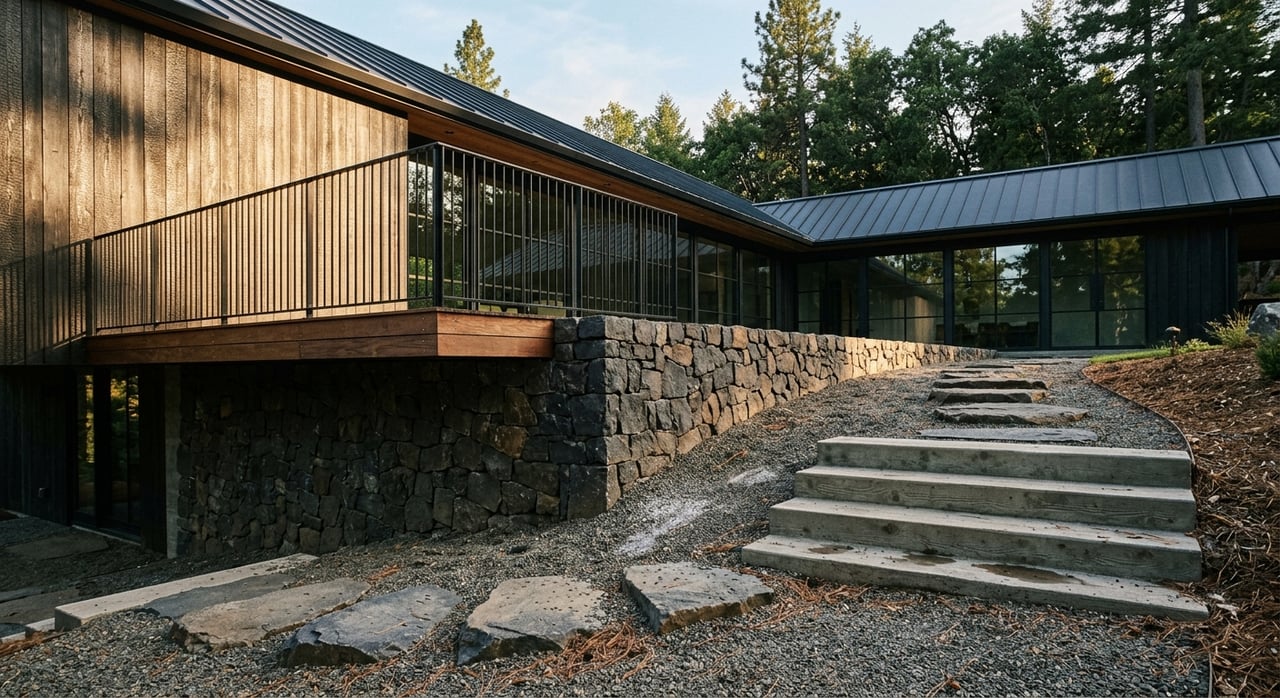
Explore Boise Foothills Luxury Homes & Lifestyle
June 25, 2026
June 25, 2026
What does luxury look like when you do not have to choose between trail access, open views, and dinner downtown? In Boise, that balance is a big part of the foothills appeal. If you are exploring the idea of foothills living, understanding how Boise connects outdoor access with everyday convenience can help you picture the lifestyle more clearly. Let’s dive in.
Boise’s foothills lifestyle is shaped by proximity. Outdoor recreation sits close to the city center, the Boise River Greenbelt links downtown with parks and natural areas, and downtown remains Boise’s civic, economic, and cultural heart. That creates a version of luxury that feels connected rather than remote.
In practical terms, foothills living in Boise is often about views, trail access, and quick access to daily amenities. The appeal is not being cut off from the city. It is being able to move easily between open space and urban convenience in the same day.
Boise’s planning framework helps define what the foothills experience looks like. The Boise City Foothills Policy Plan emphasizes protected slopes, wildlife habitat, and open space, while allowing a mix of land uses and housing densities. It also prohibits gated developments in the foothills because of emergency-response concerns.
That matters for anyone picturing the area as a secluded resort enclave. The more accurate picture is a carefully managed landscape where homes, views, and access sit alongside public open space and a shared trail network. You may find privacy and dramatic scenery, but you are still part of the broader Boise fabric.
There is no single foothills housing type in Boise. Instead, the area offers a range of settings that appeal to different lifestyles, from established urban neighborhoods near trailheads to planned communities shaped around terrain and open space.
The North End is a useful reference point if you want an established setting near the foothills. City planning materials describe historic homes, a broad range of housing and architectural styles, a mature tree canopy, walkability, and easy access to trails and downtown Boise.
For some buyers, that combination creates a strong lifestyle fit. You get a more urban-adjacent experience while staying close to foothills recreation, which can make day-to-day living feel especially flexible.
The Highlands sits directly in the foothills north of the North End. Its city plan notes that most of the area is residential and single-family, with multi-unit housing concentrated near Bogus Basin Road and Hill Road.
This part of Boise often aligns with what many people imagine when they think of foothills living. You are in a residential environment with strong links to recreation, and the Bogus Basin corridor supports recreation-oriented uses that reinforce that lifestyle.
Barber Valley offers another version of the foothills story. Its specific plan was built around terrain, views, and amenities that include the Boise River, the Greenbelt, and the foothills.
The plan also includes mixed commercial and residential areas, along with neighborhoods like The Terrace that combine detached and attached homes, green space, and foothills trail access. For buyers who want newer planning, integrated amenities, and strong connections to both nature and convenience, this setting may feel especially appealing.
In Boise, the trail network is not just a weekend feature. It is part of daily life for many residents. Visit Boise reports more than 90 parks, a 25-mile Greenbelt, and more than 200 miles of trails, while the Greenbelt connects downtown with more than 850 acres of parks and natural areas along the Boise River.
That level of access changes how you use your time. A morning walk, an after-work ride, or a quick outing before dinner can feel realistic instead of aspirational.
The Greenbelt plays a major role in how Boise ties outdoor living to the city. The city notes that it is open daily from sunrise to sunset and serves walkers, bikers, runners, and commuters.
For foothills residents, that means recreation is not limited to hillside trailheads. The river corridor adds another layer of movement and connection, linking neighborhoods, parks, and downtown in a way that supports an active routine.
Several trail areas help define the foothills experience. Camel’s Back and Hulls Gulch offer hiking and mountain biking, and Hulls Gulch was preserved from development in the early 1990s. Camel’s Back is iconic, but the steep hill and staircase to the viewpoint make it a more physically demanding stop.
Military Reserve offers a different feel. Ridge to Rivers describes it as having direct access from downtown Boise, with family hikes, easy-to-moderate mountain bike loops, views of downtown, a bike park, and a fenced dog park.
Table Rock adds a more challenging option with scenic views and strong sunset-hike appeal. At the same time, Ridge to Rivers notes that wet and winter conditions can create muddy trails because of the area’s clay soils, which is an important day-to-day reality for trail users.
One of Boise’s biggest lifestyle advantages is how quickly recreation can shift with the seasons. Visit Boise says Bogus Basin is about 16 miles from the city and operates year-round.
That gives foothills living a broader recreational calendar. Winter can include skiing, Nordic skiing, and snowshoeing, while summer brings mountain biking, hiking, and more than 20 miles of cross-country multi-use trails.
The foothills are highly usable, but the experience changes with the weather. Ridge to Rivers notes that summer heat is a real factor because many trails offer little shade. It also points out that higher-elevation forested trails near Stack Rock and Bogus Basin can be about 10 degrees cooler than town.
Wet conditions also matter. Ridge to Rivers asks users to avoid muddy trails and follow designated-use rules, which means timing is part of living well in the foothills. The best version of this lifestyle is enthusiastic but realistic, with an eye on season, trail condition, and daily comfort.
A key part of Boise foothills living is that outdoor access does not come at the cost of city convenience. Downtown Boise is the city’s largest employment center and its civic, economic, and cultural heart. City planning materials point to major public institutions, historic districts, Julia Davis Park, and access via the I-184 connector and public transportation alternatives.
For you, that means the foothills can feel close to the energy of the city rather than separate from it. The rhythm of the day can move from trail time to meetings, shopping, or dinner with very little friction.
Visit Boise describes downtown as packed with cultural and culinary experiences, with more than 100 restaurants and bars, including the Basque Block. The Downtown Boise Association also emphasizes shopping, dining, nightlife, arts, and culture in a walkable core.
Boise’s restaurant scene ranges from casual to formal, with global cuisines and farm-to-table options. Even examples like The Warehouse Food Hall, which opened with ten eateries and two bars under one roof, reinforce the same theme: convenience and variety are part of the foothills value equation.
In Boise’s foothills, luxury often shows up as choice and access. You may value a home with views, proximity to trailheads, and a setting shaped by open space, but you also benefit from being close to the Greenbelt, downtown, and year-round recreation.
That mix can be especially compelling if you want a lifestyle that feels active and grounded in place. Rather than choosing between natural beauty and convenience, you are often evaluating how closely a home aligns with the daily rhythm you want.
If you are considering Boise foothills real estate, it helps to think beyond the view. The right fit usually comes down to how you want to live day to day.
A few practical questions can help:
These questions can help you narrow not just location, but lifestyle. In a market like Boise, that distinction matters.
Foothills living here is best understood as a connected luxury experience. It combines scenery, recreation, and access in a way that feels practical as well as aspirational. If you want help evaluating how Boise’s foothills lifestyle aligns with your goals, connect with Cheri Reeves for thoughtful, strategy-led guidance.
Stay up to date on the latest real estate trends.


Reeves Group brings decades of combined experience, deep local insight, and a global perspective to McCall and its surrounding mountain communities. Led by Designated Broker Cherí Reeves, our team takes a strategic, relationship-driven approach to buying, selling, and investing. Known for discretion, market expertise, and thoughtful guidance, we help clients navigate opportunities and complex transactions with confidence and clarity.