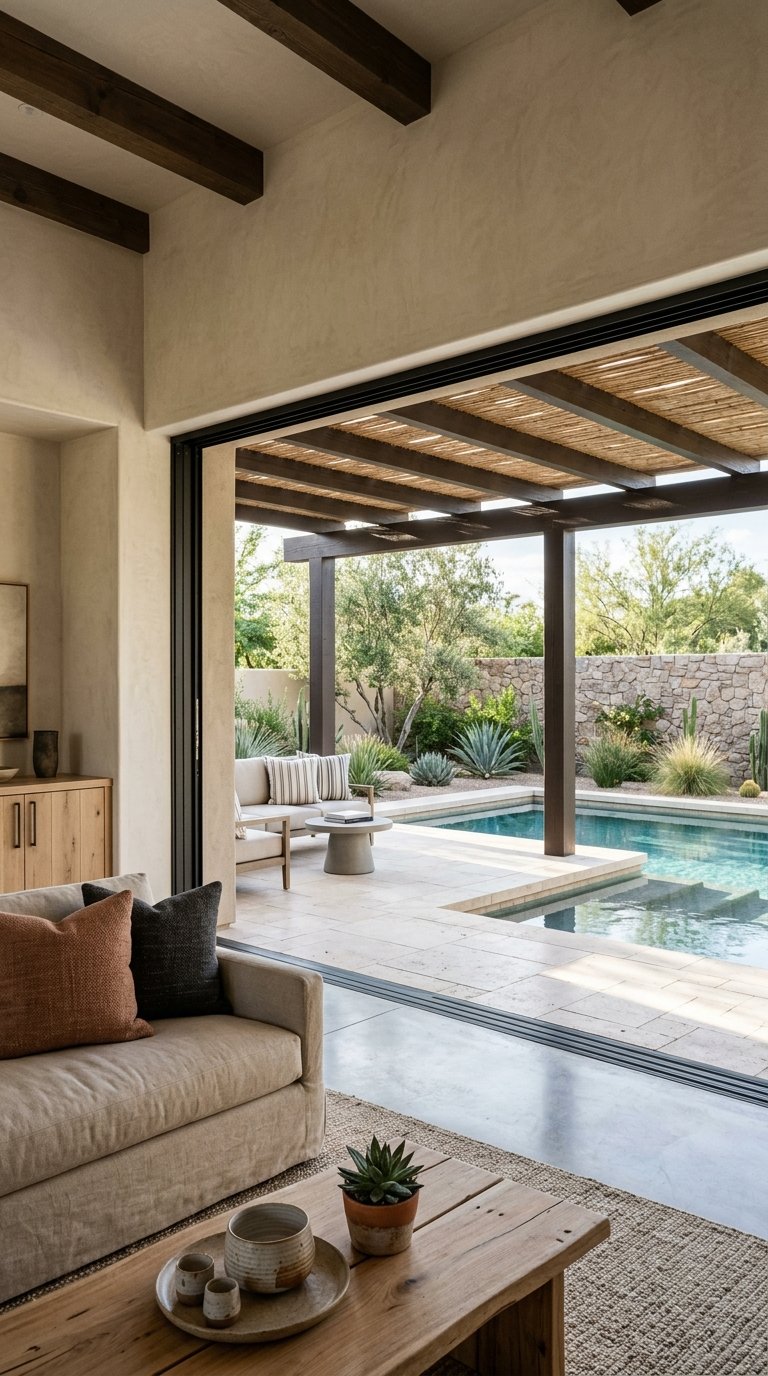
Scottsdale Luxury Market Seasonality and Pricing
June 4, 2026
June 4, 2026
If you have ever wondered why a luxury home in Scottsdale can feel perfectly timed one month and oddly quiet the next, the answer often starts with seasonality. This is not just a local housing story. It is a destination-market story shaped by visitor traffic, event calendars, and how quickly out-of-town buyers move when the right property appears. If you are buying or selling in Scottsdale’s luxury market, understanding that rhythm can help you price, plan, and negotiate more strategically. Let’s dive in.
Scottsdale’s luxury market sits inside a much larger visitor economy. According to the City of Scottsdale’s visitor statistics for 2024, the city drew 4.9 million domestic overnight visitors, 1.7 million international overnight visitors, and 5.1 million domestic day-trip visitors, generating $3.7 billion in annual economic impact and supporting more than 36,000 local jobs.
That matters because luxury demand in Scottsdale is not driven only by full-time local residents. It is also shaped by people who arrive for leisure travel, golf, resort stays, and major events, then decide to tour homes while they are in town. In a market like this, pricing is often influenced by when buyers are physically present and ready to act.
Winter is the clearest peak season for Scottsdale. Experience Scottsdale describes winter as a prime period for out-of-town visitors escaping colder states, with premium travel demand and golf activity rising during that stretch.
The event calendar adds even more momentum. In the winter to early spring window, Scottsdale typically sees a dense run of marquee events, including Western Week, the WM Phoenix Open, the Scottsdale Arabian Horse Show, and Cactus League Spring Training.
For luxury real estate, that creates a practical advantage. More visitors in town means more potential buyers touring homes in a shorter period of time, which can increase showing activity and tighten decision windows for a well-positioned property.
The City of Scottsdale’s 2024 Facility Usage Study shows how strongly visitor patterns shift throughout the year. Non-local unique visitors outnumbered local unique visitors in every month except November and December, and areas like Old Town and WestWorld saw especially strong traffic in late winter and early spring.
Old Town’s busiest visitor-trip months were February and March. WestWorld also drew more non-local visitors from late January through March, with another event-driven bump in July and August.
This visitor mix matters because out-of-town guests often behave differently than local traffic. They are more likely to build full days around events, dining, hotels, and leisure stops, which means they may also be more likely to stack multiple home tours into a short visit and make faster decisions when a property feels move-in ready or hard to replace.
For sellers, the key lesson is simple: timing can support pricing, but timing cannot rescue overpricing. Scottsdale’s peak demand season generally builds from late fall through early spring, with February and March standing out as especially active because of visitor concentration and event traffic.
That is why many luxury sellers benefit from finishing prep work before the January to March surge. If your home is already photographed, staged, and priced with discipline as that audience arrives, you may capture more immediate attention than a comparable property that comes to market after the busiest seasonal window has started to fade.
This does not mean every home should list on the same date. It means your launch strategy should reflect when the broadest and most motivated buyer pool is likely to be in town.
Seasonality matters, but it works inside the broader market, not outside it. Scottsdale’s April 2026 single-family update reported 539 new listings, 264 pending sales, 446 closed sales, 78 days on market until sale, a median sales price of $1,240,500, an average sales price of $1,689,470, 96.7% of list price received, 1,804 homes for sale, and 5.3 months of inventory.
Those numbers point to a market where pricing discipline still matters. Homes are selling, but they are not disappearing overnight, and buyers are still negotiating modestly below list price.
That matters even more in the luxury tier. When new listings outpace pending sales, a property that misses its strongest exposure window may face a longer selling timeline than the seller expected.
In Scottsdale luxury real estate, the same home can perform differently depending on when it enters the market. A winter or early-spring launch may benefit from stronger destination traffic and more compressed buyer schedules. A late-spring or summer launch may require more patience, sharper pricing, and a stronger willingness to negotiate.
That does not mean summer is inactive. The city’s facility usage data shows that non-local visitors remain substantial even in summer, though local trips become more dominant by August and the concentration of immediate destination shoppers is less intense.
In practical terms, sellers often need to match price to buyer depth. When the travel-heavy audience is strongest, you may have more leverage if the home is presented well and aligned with market expectations. When that audience thins, buyers may have more room to compare, delay, or negotiate.
If you are buying in Scottsdale’s luxury market, peak season can create both opportunity and pressure. The opportunity is that inventory may feel more alive, with homes showing at their best during the most active stretch of the year.
The pressure is that other buyers may be working on the same short timeline. During winter and major event periods, it is smart to define your priorities before you start touring so you can move decisively when the right fit appears.
A few practical ways to prepare include:
For destination buyers especially, preparation reduces friction. In a market shaped by visitor flow, timing and clarity often matter as much as interest level.
If you are selling, the strongest strategy is usually to prepare before the market’s busiest audience arrives. That does not just mean cleaning up a few details. It means treating timing, presentation, and pricing as one coordinated plan.
A focused pre-listing approach often includes:
This is where experienced guidance matters. In a destination market, the goal is not just exposure. It is making sure your home enters the market when buyer attention, pricing strategy, and presentation are working together.
Scottsdale does not have one perfect month for every luxury property. Still, the broader pattern is clear. Winter and late-winter event season create the strongest concentration of destination traffic, and that can support pricing power and shorten absorption for the right home.
Outside that peak, the market often asks for a different posture. Sellers may need more patience and tighter pricing. Buyers may find a bit more room for negotiation and comparison.
That is why Scottsdale luxury pricing is best viewed as a sequencing question, not just a square-footage question. Place matters, design matters, and condition matters, but timing can change how the market responds to all three.
If you are thinking about buying or selling in Scottsdale, the smartest next step is to build your plan around the market’s actual rhythm, not assumptions. For strategic, discreet guidance in destination-market real estate, connect with Cheri Reeves.
Stay up to date on the latest real estate trends.






Reeves Group brings decades of combined experience, deep local insight, and a global perspective to McCall and its surrounding mountain communities. Led by Designated Broker Cherí Reeves, our team takes a strategic, relationship-driven approach to buying, selling, and investing. Known for discretion, market expertise, and thoughtful guidance, we help clients navigate opportunities and complex transactions with confidence and clarity.